Lemon Pepper Spice Rub
By Tom Hunt
Lemon pepper is a deceptively simple blend: just dried lemon zest, cracked black pepper and sea salt.
Commercially it's been around since 1967, but it was BBQ chef and author of Motherland: A Jamaican Cookbook, Melissa Thompson, who first got me thinking about making my own as a waste saving recipe for lemon zest.
Other ways to use the rub:
- To season fish
- Scattered over roast potatoes or parsnips
- Mixed into mayonnaise as a quick dip for fish
Prep time: 15 minutes active, plus 2–3 days drying (or 2–3 hours in a low oven) | Makes: about 90ml
Ingredients
- 5 large unwaxed lemons, finely zested (organic if possible)
- 50g black peppercorns
- 10g coarse salt
Method
- Finely grate the zest of all 5 lemons directly onto a plate or tray, taking care to avoid the white pith.
- Leave somewhere warm for 2–3 days until completely dry and brittle, or spread on a parchment-lined tray and dry in the oven at its lowest setting for 2–3 hours. Check regularly and remove as soon as fully dried.
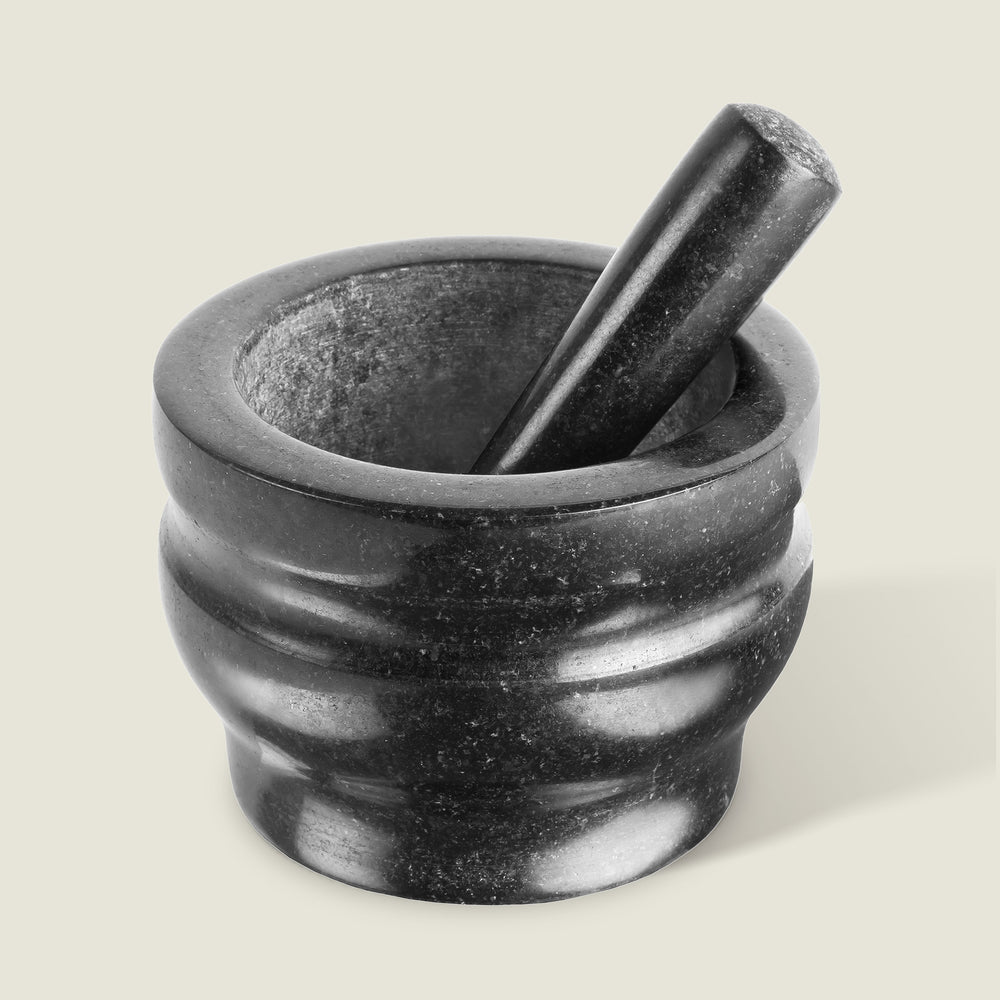
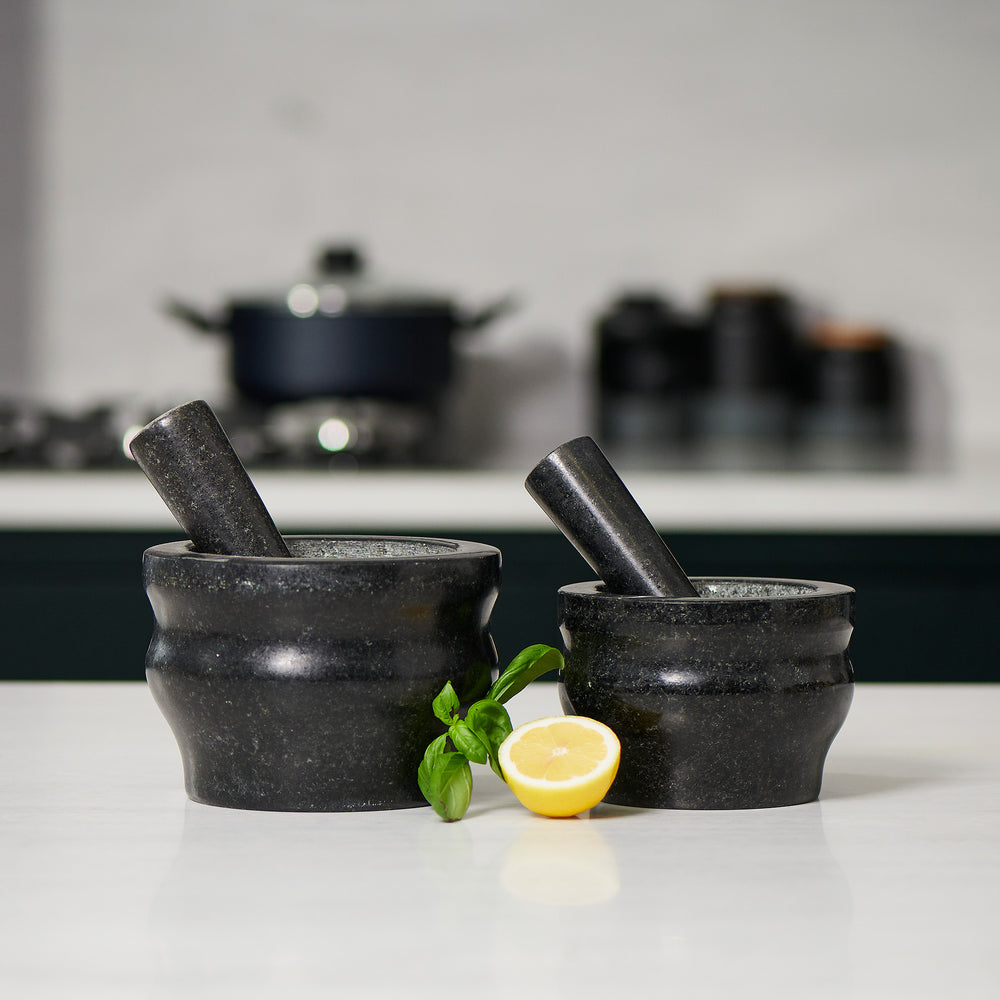
- Grind the peppercorns in a pestle and mortar to a coarse but even texture.
- Grind in the dried lemon zest and sea salt.
- Store in a Shadwell spice tube or container, labelled and dated. Keeps for up to 3 months.
Kit list:
- Pestle and mortar or spice grinder
- Fine grater or microplane
- Plate or tray for drying zest
- Shadwell spice tube or airtight jar
Perfect Roast Turkey with Lemon Pepper
By Tom Hunt
For the turkey, I've followed the method Felicity Cloake discovered at Leiths Cookery School while testing recipes for the Guardian: a square of fine cotton, soaked in melted butter and draped over the turkey, helps baste it evenly throughout cooking, creating a marvelously crisp skin. Remove the muslin for the final 25 minutes to let the skin colour and crisp fully.
You'll need a piece of cook's muslin, available at most kitchen shops or online.
Season the turkey as soon as you get it and ideally 24–72 hours before cooking, or at least a minimum of three hours before.
We used a magnificent free range Bronze turkey from Pipers Farm which was quite honestly the best turkey I’ve ever cooked. And I’m a hard customer.
Art of Seasoning Tip: Dry Brining. If salting 24-72 hours before for a proper dry brine, use 15–17g of fine sea salt per kilo of turkey. Since our lemon pepper rub already contains a little salt, we used 15g per kilo so as not to oversalt. If using this method with other dishes where additional salt is present in the recipe, it is worth adjusting accordingly. Fine sea salt packs more tightly than coarse kosher salt, so weighing in grams gives the most accurate result. Rub the salt evenly all over and directly onto the meat underneath the skin, especially over the thick breast. Do not add extra salt if your turkey is pre-salted, kosher, or injected with a self-basting solution.
Difficulty: Medium | Prep time: 15 minutes active | Cook time: 20 minutes per kg under muslin, plus 25 minutes uncovered, plus 20 minutes resting | Serves: 6–8
Ingredients
- 1 free-range turkey, with giblets
- Fine sea salt, 15g per kg of turkey weight
- 3 tbsp lemon pepper spice rub
- 170g butter
- 1 large piece of cook's muslin
- 1 onion
- Small branch of bay leaves or 6 individual leaves
- 300ml water
Method
- Ideally 24–72 hours in advance, weigh your turkey and calculate 15g fine sea salt per kg. Mix with 3 tbsp of the lemon pepper spice rub. Rub most of the mixture under the skin directly onto the breast and thigh meat, then sprinkle the rest over the outside skin. Refrigerate uncovered, skin-side up, for the final 24 hours to dry the skin fully. Important: If salting just a few hours before season liberally by eye – you will need less than 15g of salt. .
- Take the turkey out of the fridge three hours before cooking.
- When ready to cook, preheat the oven to 180°C (160°C fan).
- Melt the butter in a saucepan and soak the muslin in it until fully absorbed.
- Place the turkey in a large roasting tin with the giblets (except the liver), neck, onion, bay leaf and 300ml water.
- Drape the butter-soaked muslin completely over the turkey, snug against the breast, and place in the oven.
- Roast at 180°C for 20 minutes per kg, then turn the oven up to 220°C (200°C fan). Once it comes to temperature, remove the muslin.
- Roast uncovered for a further 25 minutes until deep golden and crisp.
- Check the temperature at the thickest part of the thigh and breast away from the bone — it should read 72°C. If not, return to the oven and check every 10 minutes.
- Remove and rest in a warm place, covered with unbleached parchment paper and tea towels, for 20-30 minutes before carving.
Guide by weight:
| Turkey weight | Fine sea salt | Under muslin at 180°C | Blast at 220°C | Total oven time |
|---|---|---|---|---|
| 3kg / 6.6lb | 45g | 60 mins | 25 mins | 85 mins |
| 3.5kg / 7.7lb | 52g | 70 mins | 25 mins | 95 mins |
| 4kg / 8.8lb | 60g | 80 mins | 25 mins | 105 mins |
| 4.5kg / 9.9lb | 68g | 90 mins | 25 mins | 115 mins |
| 5kg / 11lb | 75g | 100 mins | 25 mins | 125 mins |
Storage: leftover turkey keeps well in the fridge for up to 5 days. Pull any remaining meat from the carcass and stir through a good gravy for a quick leftover stew.
Kit list:
- Large roasting tin (big enough for the bird with room around it)
- Cook's muslin (available at most kitchen shops)
- Meat probe thermometer
- Large saucepan (for melting the butter)
- Scales (for weighing the salt accurately)
- Unbleached parchment paper and tea towels (for resting)
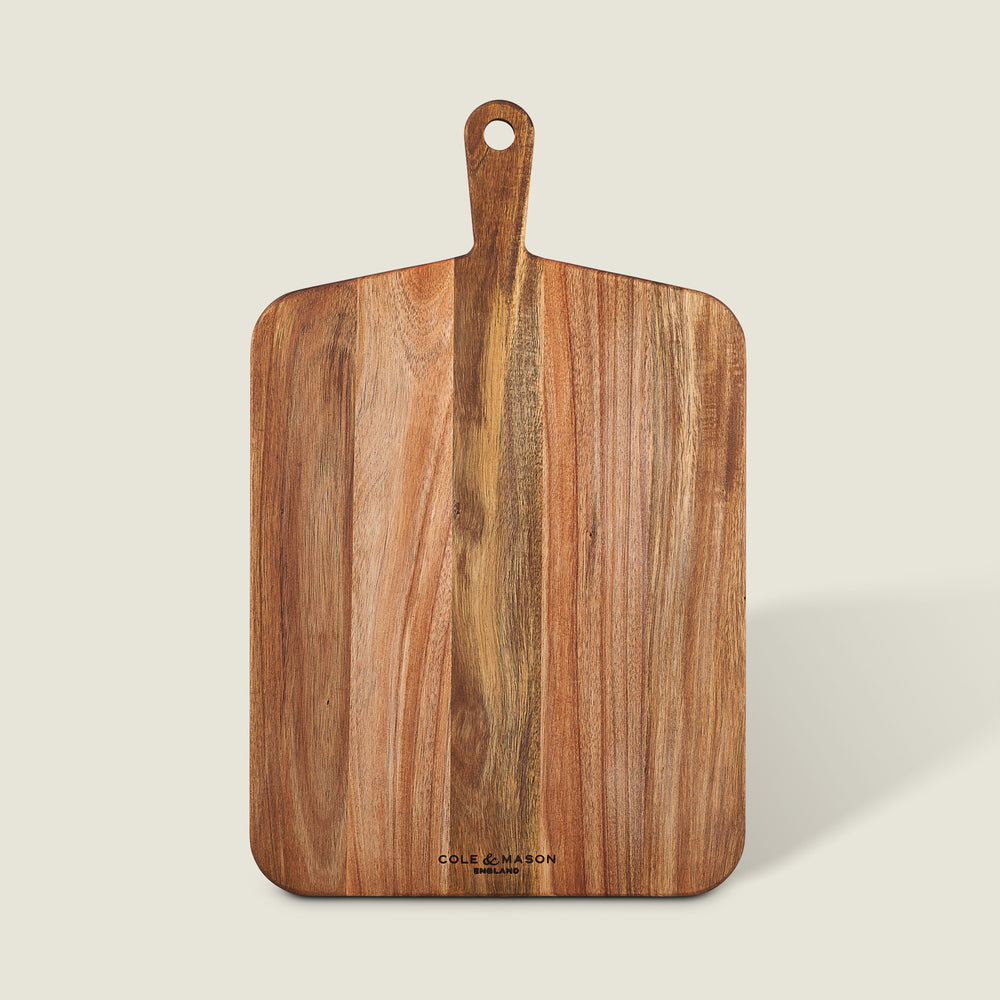
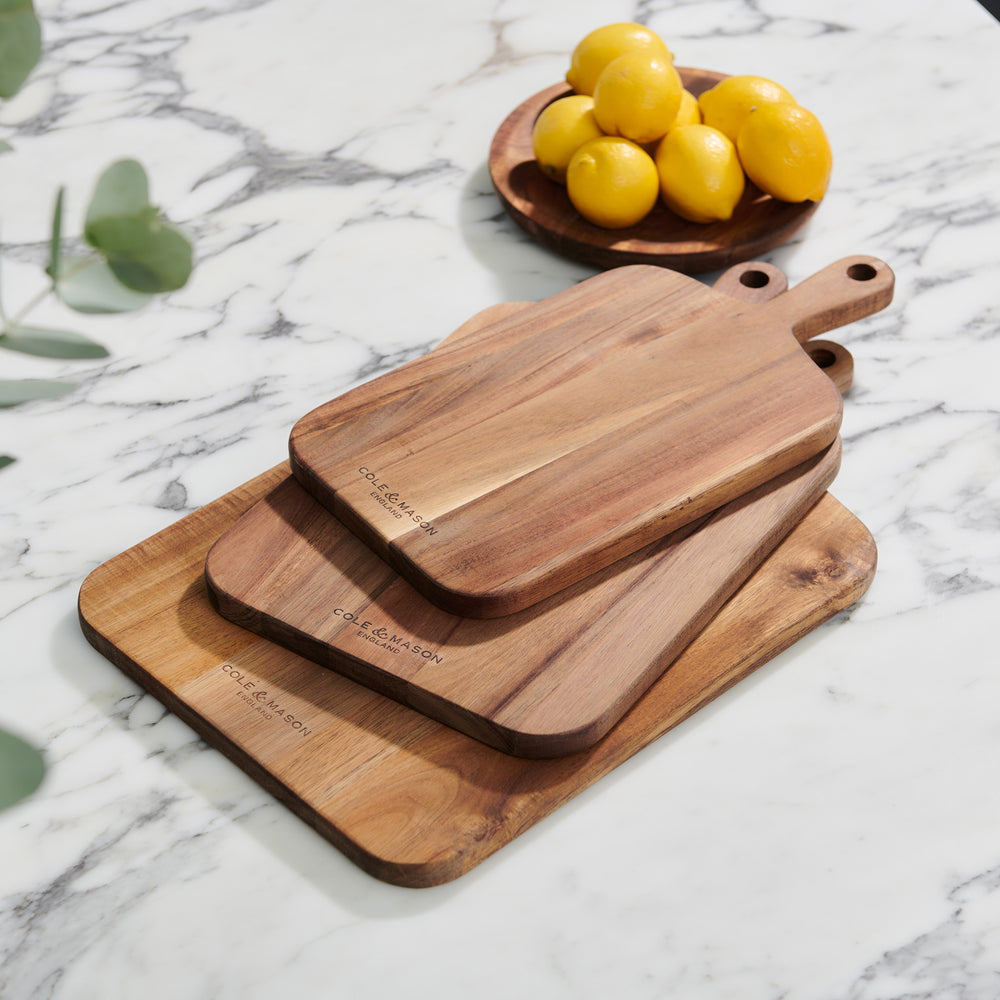
- Carving knife and board